
| Chanukah is the most interpreted and reinterpreted holiday in the Jewish calendar. Even the rabbis of the Talmud were not certain how to define it. They began their discussion of the holiday by asking the question, "What is Chanukah?" (B. Shabbat 21b) Apparently, at the time of the rabbis, there was no single, clear answer to the question. I don't think there is one in our times, either. | 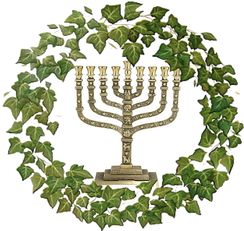 |
In the Talmud, the rabbis tell the story of how God sustained a single cruse of oil to keep the Temple Menorah lit for eight days. That version of "the miracle of Chanukah" does not appear in any sources earlier than the Talmud, even though the events of Chanukah occurred more than 250 years earlier. What is more, the rabbis gloss over what previously had been the central miracle in the story—the military victory by the Maccabees over the Seleucid Empire in the year 165 b.c.e.
Why didn't the rabbis of the second century c.e. like the story of Judah Maccabee and the improbable victory of the Israelites over the far more powerful Seleucids? There are at least two reasons:
1) They despised the Maccabees' descendants, the heavy-handed Hasmonean Dynasty, which ruled over Judea into the first century c.e. The rabbis opposed the Hasmoneans military expansionism and the cruelty with which they ruled their own people. They were not about to celebrate the birth of that dynasty by making Chanukah a holiday about Judah Maccabee. (His name does not even appear in the Talmud).
2) The rabbis lived in a time when Judea was under the rule of the Roman Empire. The Judeans had suffered horribly after disastrous rebellions against the Romans in 70, 117, and 135 c.e. The rabbis opposed any further militant action against the Romans as self-defeating. Their reluctance to celebrate Chanukah as the commemoration of a military victory over occupiers may have been because they did not want the holiday to incite further rebellions.
So, what did the rabbis do? They changed the central story of Chanukah. They cut out the Maccabees military triumph and replaced it with the story about the cruse of oil. The rabbis established a passage from the book of Zechariah as the special reading for the Shabbat that falls during Chanukah. In this passage, the prophet sees a vision of the Temple Menorah and an angel tells him, "'Not by might and not by power, but by My spirit,' says Adonai of Hosts" (Zechariah 4:6).
Get it? The rabbis are telling you that if you're looking for a hero on Chanukah, it isn't the guy with the sword in his hand. It's God.
The rabbis changed the meaning of Chanukah. The funny thing is, we've never stopped changing its meaning to this day. Today, many American Jews love to talk about Chanukah as the anniversary of the world's first rebellion for religious freedom, or as a battle against the threat of assimilation. Both of those versions of the Chanukah story say a lot more about our own times and the attitudes of today's Jews than they say about anything that happened in the second century b.c.e.
First of all, the Maccabees were not interested in the concept of freedom of religion for anyone other than themselves. They would not have been fans of the First Amendment, which defends the rights of all religions. The Maccabees killed people, including Israelites, for not adhering to their own version of Torah.
The book of Maccabees was written by Jews in the first century b.c.e., and tells the story of the rebellion long before the time of the Talmud. It contains no mention of the miracle of the oil, but it does tell a story about how the Maccabees celebrated their victory by wearing garlands made of ivy (II Maccabees 10). Ivy is the Greek symbol of celebration, associated with the god Dionysus. Why would the Maccabees, of all people, celebrate their victory over the scourge of Greek culture by using a Greek symbol? It seems that cultural assimilation was not really the main point of their rebellion. They were interested mostly in not being under foreign control.
The meaning of Chanukah has continued to change with the times. To mystics of European Chasidism in the 18th century, Chanukah was the holiday of complete repentance through the ecstatic love of God. To the Zionists of the middle of the 20th century, it was a holiday to remember that "in every age a hero arose to redeem us," and which calls upon the Jewish people to arise again.
So, let me suggest that we are again at a moment when we need to find new meanings for this holiday of many meanings. American Jews today do not need another reason to celebrate military victories while living in a country that has, by far, the most powerful military the world has ever seen. We do not need another reason to preach against assimilation to a Jewish community that needs to make interfaith families feel welcomed, not shunned. We do not need another occasion to get huffy about our right to practice our religion while living in a society which, honestly speaking, has done more to protect our religious rights than any society in human history.
What we do need, however, is to return Judaism to being a religion of joy, not one that forever bewails our tearful past. We need to return Judaism to a tradition in which people can fulfill their spiritual needs and find meaning in their lives. Chanukah can be a holiday to celebrate that, and more.
The root of Chanukah is hope. It is a holiday in which we light candles at the darkest time of year to coax the cosmos into turning the clock around and start adding light to our days instead of taking it away. (Miraculously, it works every year.) It is a holiday about finding joy, and not despair, in dark moments. It is a holiday about connecting to our families and communities despite a society that seems to try to pull us apart from one another. It is a holiday in which we celebrate difference—both our own uniqueness as Jews, and also the diversity within the human family that has many and glorious ways of celebrating this time of year.
This year, as I light my family's Chanukah menorah, I look up and down my street and see a dazzling display of lights celebrating many versions of different holidays. To me, it is not threatening. It is beautiful. Chanukah is an occasion for knowing ourselves to be a part of the bigger story of the cycles of nature and the undying fire of the human spirit.
What is Chanukah? It is a holiday of joy.
Happy third night of Chanukah!
Other posts on this topic:
The Miracle of the First Day of Chanukah
Why didn't the rabbis of the second century c.e. like the story of Judah Maccabee and the improbable victory of the Israelites over the far more powerful Seleucids? There are at least two reasons:
1) They despised the Maccabees' descendants, the heavy-handed Hasmonean Dynasty, which ruled over Judea into the first century c.e. The rabbis opposed the Hasmoneans military expansionism and the cruelty with which they ruled their own people. They were not about to celebrate the birth of that dynasty by making Chanukah a holiday about Judah Maccabee. (His name does not even appear in the Talmud).
2) The rabbis lived in a time when Judea was under the rule of the Roman Empire. The Judeans had suffered horribly after disastrous rebellions against the Romans in 70, 117, and 135 c.e. The rabbis opposed any further militant action against the Romans as self-defeating. Their reluctance to celebrate Chanukah as the commemoration of a military victory over occupiers may have been because they did not want the holiday to incite further rebellions.
So, what did the rabbis do? They changed the central story of Chanukah. They cut out the Maccabees military triumph and replaced it with the story about the cruse of oil. The rabbis established a passage from the book of Zechariah as the special reading for the Shabbat that falls during Chanukah. In this passage, the prophet sees a vision of the Temple Menorah and an angel tells him, "'Not by might and not by power, but by My spirit,' says Adonai of Hosts" (Zechariah 4:6).
Get it? The rabbis are telling you that if you're looking for a hero on Chanukah, it isn't the guy with the sword in his hand. It's God.
The rabbis changed the meaning of Chanukah. The funny thing is, we've never stopped changing its meaning to this day. Today, many American Jews love to talk about Chanukah as the anniversary of the world's first rebellion for religious freedom, or as a battle against the threat of assimilation. Both of those versions of the Chanukah story say a lot more about our own times and the attitudes of today's Jews than they say about anything that happened in the second century b.c.e.
First of all, the Maccabees were not interested in the concept of freedom of religion for anyone other than themselves. They would not have been fans of the First Amendment, which defends the rights of all religions. The Maccabees killed people, including Israelites, for not adhering to their own version of Torah.
The book of Maccabees was written by Jews in the first century b.c.e., and tells the story of the rebellion long before the time of the Talmud. It contains no mention of the miracle of the oil, but it does tell a story about how the Maccabees celebrated their victory by wearing garlands made of ivy (II Maccabees 10). Ivy is the Greek symbol of celebration, associated with the god Dionysus. Why would the Maccabees, of all people, celebrate their victory over the scourge of Greek culture by using a Greek symbol? It seems that cultural assimilation was not really the main point of their rebellion. They were interested mostly in not being under foreign control.
The meaning of Chanukah has continued to change with the times. To mystics of European Chasidism in the 18th century, Chanukah was the holiday of complete repentance through the ecstatic love of God. To the Zionists of the middle of the 20th century, it was a holiday to remember that "in every age a hero arose to redeem us," and which calls upon the Jewish people to arise again.
So, let me suggest that we are again at a moment when we need to find new meanings for this holiday of many meanings. American Jews today do not need another reason to celebrate military victories while living in a country that has, by far, the most powerful military the world has ever seen. We do not need another reason to preach against assimilation to a Jewish community that needs to make interfaith families feel welcomed, not shunned. We do not need another occasion to get huffy about our right to practice our religion while living in a society which, honestly speaking, has done more to protect our religious rights than any society in human history.
What we do need, however, is to return Judaism to being a religion of joy, not one that forever bewails our tearful past. We need to return Judaism to a tradition in which people can fulfill their spiritual needs and find meaning in their lives. Chanukah can be a holiday to celebrate that, and more.
The root of Chanukah is hope. It is a holiday in which we light candles at the darkest time of year to coax the cosmos into turning the clock around and start adding light to our days instead of taking it away. (Miraculously, it works every year.) It is a holiday about finding joy, and not despair, in dark moments. It is a holiday about connecting to our families and communities despite a society that seems to try to pull us apart from one another. It is a holiday in which we celebrate difference—both our own uniqueness as Jews, and also the diversity within the human family that has many and glorious ways of celebrating this time of year.
This year, as I light my family's Chanukah menorah, I look up and down my street and see a dazzling display of lights celebrating many versions of different holidays. To me, it is not threatening. It is beautiful. Chanukah is an occasion for knowing ourselves to be a part of the bigger story of the cycles of nature and the undying fire of the human spirit.
What is Chanukah? It is a holiday of joy.
Happy third night of Chanukah!
Other posts on this topic:
The Miracle of the First Day of Chanukah
 RSS Feed